The Function of Mass Plastic Containers in Effective Recycling Practices and Sustainability
Mass plastic containers are important to modern recycling efforts. Their layout improves the performance of product collection and transport, contributing to sustainability goals. These containers not only optimize space but also assist in checking contamination degrees. However, their implementation is not without challenges. Comprehending the complete range of their effect reveals a complicated relationship between logistics and ecological duty that warrants further exploration.
Comprehending Mass Plastic Containers
Mass plastic containers function as a crucial part in different sectors, helping with the storage space and transport of items. These containers are normally made from robust materials such as high-density polyethylene (HDPE) or polypropylene, which provide longevity and resistance to environmental variables. Their style often consists of functions like stackability and modularity, enabling for effective use space throughout both storage space and transit.
Industries such as farming, food handling, and manufacturing frequently use mass plastic containers because of their light-weight nature and convenience of handling. The containers come in numerous dimensions and configurations, satisfying the certain requirements of various products. Their flexibility extends beyond simple performance; they can likewise be tailored with lids, manages, and identifying choices to boost usability - plastic bulk containers. Because of this, bulk plastic containers play a critical function in enhancing logistics and supply chain procedures across several sectors, consequently adding to general performance and cost-effectiveness
Advantages of Utilizing Mass Plastic Containers in Recycling
When organizations prioritize recycling initiatives, the use of mass plastic containers substantially enhances the effectiveness of the procedure. These containers are created to optimize space, permitting the storage and transport of larger amounts of recyclable products. This results in fewer trips to reusing centers, thus decreasing fuel usage and associated emissions.
Furthermore, bulk plastic containers are resistant and sturdy to different ecological factors, making sure that materials stay safeguarded throughout handling and transportation. Their light-weight style even more adds to lower transportation expenses.
Furthermore, the uniformity of these containers assists in far better sorting and handling of recyclable products, which can improve total recycling prices - plastic bulk containers. Organizations that take on bulk plastic containers additionally show a dedication to sustainability, favorably influencing their brand photo. Ultimately, these advantages not just enhance recycling methods yet also add to broader ecological objectives
How Mass Plastic Containers Facilitate Product Collection
Reliable product collection is significantly improved by the use mass plastic containers, as they provide a efficient and structured remedy for gathering recyclable products. These containers are created to fit large volumes of materials, which simplifies the sorting and storage space process. Their stackable design makes the most of room utilization, making it less complicated for centers to organize recyclables without mess.
In enhancement, mass plastic containers are durable and weather-resistant, permitting outside placement without destruction. This strength assures that products remain secured up until they are gathered for processing.

The uniformity in dimension and form of these containers helps with standardization throughout collection points, making it possible for much better monitoring of recyclable quantities. In addition, their clear nature permits for simple exposure of contents, aiding in the tracking of contamination levels and ensuring that just ideal products are collected. On the whole, bulk plastic containers play a vital role in enhancing the product collection procedure, thus advertising efficient recycling methods.
Transport Performance and Environmental Effect
Transport effectiveness plays an essential duty in the recycling process, specifically via the optimization of tons ability wholesale plastic containers. By making best use of the volume of product carried, companies can considerably decrease the number of trips called for, consequently decreasing their carbon footprint. This method not just improves functional effectiveness yet likewise adds to more sustainable environmental methods.
Enhancing Load Capacity
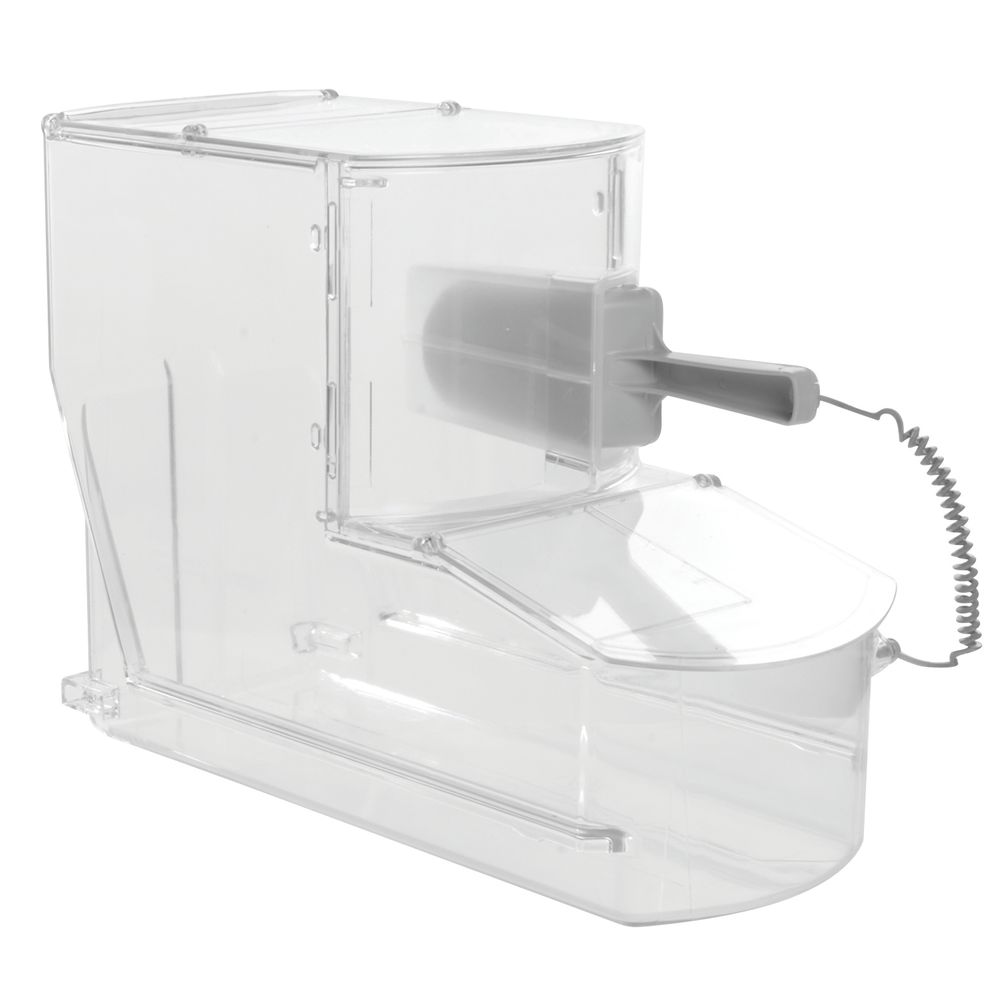
Optimizing load ability is usually neglected, it plays an important duty in boosting transport efficiency and decreasing environmental effect in recycling methods. By making the most of the quantity that bulk plastic containers can hold, recycling operations can reduce the variety of journeys needed for transportation. This not just reduces gas usage yet additionally reduces the damage on vehicles. Reliable lots administration allows centers to utilize room properly, ensuring that each transport cycle is as effective as possible. In addition, well-optimized lots can result in better settlements with logistics providers, possibly decreasing general costs. Ultimately, boosting lots capability contributes to a more lasting reusing system by fostering effective resource usage and minimizing waste created throughout transport.
Reducing Carbon Impact
As reusing operations venture to reduce their environmental effect, decreasing the carbon impact connected with transport becomes a critical goal. Mass plastic containers play an important function in accomplishing this purpose by boosting lots efficiency and enhancing logistics. Their lightweight yet durable design permits maximum freight room usage, reducing the number of trips required to move materials. By consolidating shipments, recycling centers can reduce gas usage and greenhouse gas discharges. On top of that, purposefully finding recycling centers lessens transportation ranges, additionally decreasing carbon outputs. Additionally, using fuel-efficient cars and alternate energy resources enhances general sustainability. By incorporating these methods, the reusing market can significantly decrease its carbon footprint, contributing to a much more sustainable future.
Challenges in the Use of Mass Plastic Containers
Contamination Concerns
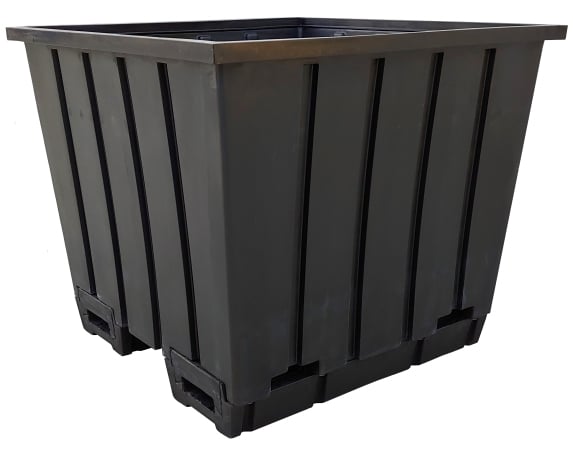
Contamination issues represent a substantial challenge in the efficient use bulk plastic containers within reusing techniques. These containers frequently build up residues from previous contents, causing blended materials that can impede the recycling process. Impurities such as food waste, chemicals, or non-recyclable products can compromise the integrity of the whole batch, causing raised disposal expenses and reduced reusing prices. Furthermore, inappropriate cleaning or sorting can worsen these problems, making it challenging for reusing facilities to process products successfully. The presence of impurities not just affects the quality of recycled items however likewise undermines the overall sustainability efforts focused on decreasing plastic waste. Resolving these contamination challenges is important for improving the efficiency of mass plastic container Get More Information recycling.
Recycling Infrastructure Limitations
Ineffectiveness in recycling framework positions significant obstacles for the effective administration of mass plastic containers. Many recycling centers do not have the ability to refine large volumes of these containers effectively, leading to boosted delays and costs. Additionally, insufficient sorting technologies typically result in contamination, as bulk containers may be mixed with other materials, complicating the reusing process. Minimal transport alternatives also prevent the movement of bulk plastic containers to suitable recycling facilities, causing raised land fill waste. Additionally, a lack of standardized methods for bulk container reusing develops confusion among consumers and businesses, further complicating efforts to advertise sustainability. Addressing these facilities limitations is vital to improve recycling practices and optimize the possibility of mass plastic containers in a round economic climate.
Ideal Practices for Applying Mass Plastic Containers
They need to focus on a strategic strategy that enhances performance and decreases contamination threats when companies consider implementing bulk plastic containers in their reusing techniques. Choosing the proper container size and kind is necessary to accommodate from this source the quantity of materials being refined. Organizations must also develop clear labeling and signs to lead users on correct disposal approaches, lessening confusion and mistakes. Routine training sessions for team can additionally enhance these methods, guaranteeing everybody comprehends their duties in preserving reusing honesty.
Additionally, organizations must implement a routine upkeep timetable to check and clean containers, protecting against the build-up of contaminants. Partnering with neighborhood reusing facilities can additionally streamline the collection procedure, making certain that products are successfully refined. Organizations need to keep an eye on and evaluate their recycling metrics, using this information to fine-tune practices over time and promote continual improvement in their sustainability efforts.
The Future of Mass Plastic Containers in Sustainable Practices
As companies significantly prioritize sustainability, the function of bulk plastic containers in recycling practices is set to develop substantially. Advancements in materials scientific research are leading to the growth of eco-friendly and recyclable alternatives, boosting the environmental advantages of bulk plastic containers. In addition, the execution of closed-loop systems will enable simpler collection and repurposing of these containers, reducing waste and resource consumption.
Technical advancements, such as clever tracking systems, will enable companies to keep an eye on the lifecycle of mass containers, enhancing performance in recycling procedures. As customer need for lasting practices expands, services will likely embrace bulk plastic containers developed for reuse and lasting value. Moreover, partnership between markets and governments will cultivate the facility of standardized recycling procedures, making sure that mass containers are effectively incorporated into wider sustainability initiatives. Generally, the future of bulk plastic containers appears encouraging, with significant potential for contributing to a circular economic climate.
Often Asked Inquiries
Exactly How Are Mass Plastic Containers Made and What Materials Are Utilized?
Mass plastic containers are typically made from high-density polyethylene (HDPE) or polypropylene (PP) These materials are refined with injection molding or impact molding techniques, leading to durable, light-weight containers appropriate for different storage space and transportation needs.
Can Mass Plastic Containers Be Reused Numerous Times Prior To Recycling?
Yes, bulk plastic containers can be recycled useful source several times before reusing. Their longevity and design enable repeated usage in various applications, promoting sustainability and source effectiveness while reducing the requirement for new containers.
What Accreditations Exist for Mass Plastic Containers in Recycling?
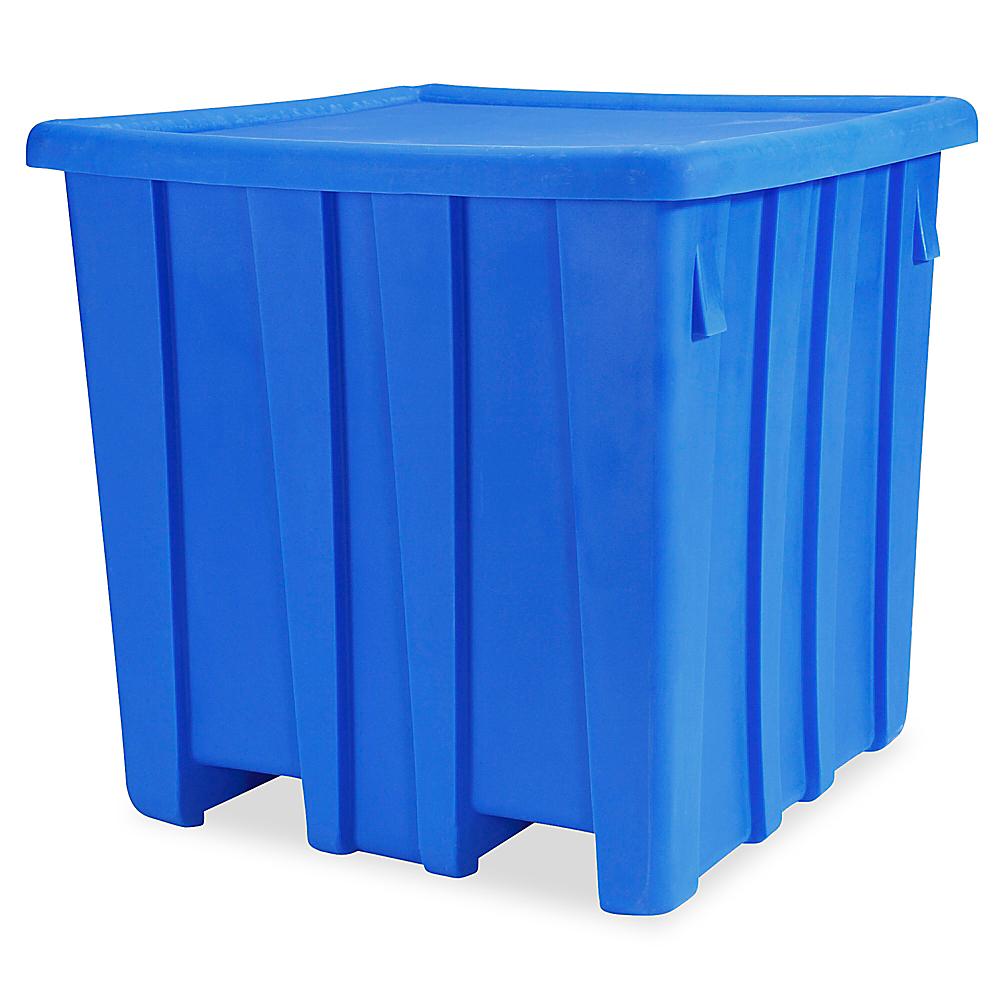
Numerous certifications for mass plastic containers consist of the Recycling Partnership's accreditation, the Cradle to Cradle Licensed ™ requirement, and the Lasting Packaging Coalition's standards, ensuring containers satisfy details environmental and recyclability standards for effective recycling.
Just How Do Mass Plastic Containers Compare to Other Recycling Storage Space Options?
Mass plastic containers offer greater longevity and capacity contrasted to other recycling storage space alternatives, minimizing the danger of contamination and helping with efficient transportation. Their layout supports far better organization, improving general performance in reusing procedures.
What Is the Life-span of a Bulk Plastic Container in Recycling Processes?
The life expectancy of a bulk plastic container in recycling procedures commonly varies from 5 to one decade, relying on use, material high quality, and environmental problems, enabling multiple cycles of usage prior to ultimate disposal or recycling.
When companies focus on reusing initiatives, the application of mass plastic containers significantly enhances the effectiveness of the process. Transport efficiency plays an essential function in the recycling procedure, especially via the optimization of lots capacity in bulk plastic containers. The usage of mass plastic containers in recycling methods faces considerable challenges, especially concerning contamination concerns and constraints within reusing infrastructure. Contamination problems stand for a considerable difficulty in the reliable usage of bulk plastic containers within recycling methods. When organizations think about carrying out bulk plastic containers in their reusing practices, they ought to focus on a strategic method that boosts performance and lowers contamination risks.